
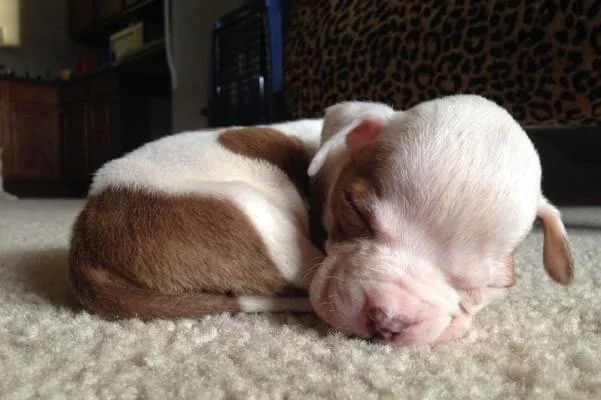
How to Recognize Hydrocephalus in Puppies: Signs Beyond a Dome-Shaped Skull
- what-is-hydrocephalus-in-dogs
- dome-shaped-skull-in-puppies
- common-hydrocephalus-symptoms
- causes-of-canine-hydrocephalus
- diagnosing-puppy-hydrocephalus
- treatment-and-support-options
What Is Hydrocephalus in Dogs?
When bringing home a new puppy, most owners expect playful behavior, curiosity, and rapid growth. However, some puppies may show unusual physical features or behaviors that suggest an underlying health concern. One condition that can affect young dogs is hydrocephalus, a neurological disorder involving an abnormal buildup of fluid around the brain.
Many pet owners search for answers about how to tell if your dog has hydrocephalus because early recognition can make an important difference. Hydrocephalus occurs when cerebrospinal fluid, the liquid that normally cushions and protects the brain and spinal cord, accumulates excessively inside the skull.
When too much fluid builds up, pressure can increase inside the brain. In puppies, whose skull bones are still developing, this pressure may affect head shape, brain function, and normal development.
Hydrocephalus is more commonly seen in young puppies, especially small breeds with naturally rounded head shapes. However, any puppy can potentially be affected, and recognizing warning signs requires attention to both physical appearance and behavior.
Understanding Why Early Awareness Matters
A puppy with hydrocephalus may not always appear obviously sick at first. Some puppies continue eating, playing, and interacting with their families while showing subtle symptoms. Others may develop noticeable neurological problems early in life.
Because puppies grow quickly, changes in coordination, learning ability, or behavior can sometimes be mistaken for normal puppy development. Knowing what signs to watch for helps owners seek professional guidance sooner.
Dome-Shaped Skull in Puppies: One of the Most Recognizable Signs
1. Why Does a Puppy Develop a Dome-Shaped Skull?
One of the signs often associated with hydrocephalus is a dome-shaped skull in puppies. This appearance happens because fluid pressure inside the skull can influence the development of the growing head.
Instead of a typical rounded puppy head shape, affected puppies may develop a more prominent, enlarged, or rounded forehead. The skull may appear wider at the top, giving it a dome-like appearance.
However, it is important to understand that not every puppy with a rounded head has hydrocephalus. Some breeds naturally have broad or round skull structures. The shape of the head should always be evaluated together with other symptoms.
2. Additional Physical Signs Associated With Head Shape Changes
Along with a dome-shaped skull, some puppies may have a visible soft spot on the top of the head, known as an open fontanelle. While some small breeds can naturally have this feature, a large or persistent opening combined with neurological symptoms may require veterinary attention.
Other possible physical observations include slower growth, unusual eye positioning, or difficulty controlling movements.
3. A Real-Life Example of Early Detection
Consider a family that adopts a small-breed puppy and notices that the puppy’s forehead looks larger compared with littermates. At first, they assume the puppy is simply developing differently. Over several weeks, they also notice the puppy struggles with walking straight and appears confused in familiar areas.
Because the owners paid attention to multiple changes instead of focusing only on appearance, they were able to seek veterinary advice and receive a clearer understanding of what was happening.
Common Hydrocephalus Symptoms in Puppies
1. Changes in Walking and Coordination
One of the most noticeable signs of puppy hydrocephalus is difficulty with movement. Affected puppies may appear unsteady, walk in circles, stumble frequently, or have trouble maintaining balance.
These coordination problems occur because increased pressure on the brain can interfere with areas responsible for movement and body control.
2. Unusual Behavior and Learning Difficulties
Puppies naturally need time to learn commands and adjust to their environment. However, some puppies with neurological problems may seem unusually slow to respond or have difficulty recognizing familiar situations.
Possible behavioral signs include:
- Confusion in familiar spaces
- Reduced interest in normal puppy activities
- Difficulty learning simple commands
- Unusual sleep patterns
- Sudden changes in personality
3. Vision Problems and Abnormal Eye Movements
Hydrocephalus can affect areas of the brain involved with vision. Some puppies may appear unable to see clearly, bump into objects, or show unusual eye movements.
A common observation is a downward-looking eye position sometimes described as a “sunset eye” appearance, where the eyes appear directed downward due to pressure affecting brain structures.
4. Seizures and Neurological Episodes
In more serious cases, puppies may experience seizures. These episodes can include shaking, loss of awareness, muscle movements, or temporary confusion afterward.
Any puppy experiencing seizures should receive veterinary evaluation because seizures can have multiple possible causes.
What Causes Hydrocephalus in Puppies?
1. Congenital Hydrocephalus
Many puppy cases involve congenital hydrocephalus, meaning the condition develops before birth or is related to inherited development problems.
Certain small and toy breeds are more commonly affected because of genetic tendencies and skull structure. Breeds with naturally rounded heads may have a higher risk compared with breeds with longer skull shapes.
2. Blockages Affecting Fluid Flow
Cerebrospinal fluid normally moves through pathways within the brain and spinal cord. If those pathways become blocked, fluid can accumulate.
Possible causes of blockage include abnormal brain development, inflammation, or other neurological conditions.
3. Secondary Hydrocephalus
In some cases, hydrocephalus develops because of another problem affecting the brain. Injuries, infections, or certain diseases may interfere with normal fluid circulation.
Understanding the underlying cause helps veterinarians determine the most appropriate management approach.
How Veterinarians Diagnose Hydrocephalus
1. Physical and Neurological Examinations
The first step in evaluating a puppy suspected of having hydrocephalus is usually a detailed examination. Veterinarians assess head shape, movement, reflexes, behavior, and overall development.
Owners can help by describing specific observations, such as when symptoms started, whether they are getting worse, and how the puppy behaves at home.
2. Imaging Tests
Veterinary professionals may recommend imaging tests to look inside the skull and evaluate fluid levels. Depending on the puppy’s condition, options may include ultrasound through an open fontanelle, advanced imaging, or other diagnostic tools.
These evaluations help determine whether fluid buildup is affecting the brain.
3. Monitoring Symptoms Over Time
Because puppies change rapidly, monitoring development is an important part of diagnosis. Keeping notes about eating habits, activity levels, walking ability, and behavior can provide valuable information.
Pet owners can also explore trusted pet care resources such as Brothers Pets to learn more about responsible puppy health management and everyday care needs.
Treatment and Support for Dogs With Hydrocephalus
1. Medical Management
Some puppies with mild symptoms may be managed with medications designed to reduce inflammation or decrease fluid production. Veterinary supervision is essential because treatment depends on the individual dog’s condition.
2. Surgical Options
In certain cases, veterinarians may discuss surgical procedures that help redirect excess fluid away from the brain. A commonly discussed approach involves placing a shunt system that allows fluid drainage.
Surgery decisions depend on many factors, including symptom severity, overall health, and expected quality of life.
3. Creating a Safe Environment
Supportive care can make a significant difference for puppies with neurological challenges. Owners may need to provide:
- A safe living area without dangerous obstacles
- Consistent routines
- Close monitoring during play
- Regular veterinary checkups
Patience is especially important because some affected puppies may learn and develop differently from other dogs.
Helping Your Puppy Live a Comfortable Life
Learning how to tell if your dog has hydrocephalus starts with paying attention to small changes. A dome-shaped skull in puppies may be one clue, but it is only one part of the bigger picture. Behavior, movement, vision, and overall development all provide important information.
Every puppy deserves attentive care and early support when something seems unusual. If you notice physical differences or neurological symptoms, discussing your concerns with a veterinarian is the best way to understand your puppy’s needs.
Whether you are raising a new puppy or caring for a dog with special health considerations, choosing reliable pet care products and learning more about canine wellness can help you provide the best possible support. Explore quality pet resources and discover solutions designed to keep your companion healthy, comfortable, and happy throughout every stage of life.





 L A Central Animal Hospital4.0 (192 reviews)
 Livewell Animal Hospital of Huntersville5.0 (86 reviews)
 Hightowers Animal Hospital5.0 (44 reviews)
 Quality Care Animal Hospital4.0 (75 reviews)
 Midland Store Veterinary Clinic - Hwy 15 Location4.0 (30 reviews)
 Hollidaysburg Animal Clinic4.0 (177 reviews)
 Best Dog Grooming Kits for Home Use Guide
 Best Supplements to Support Healthy Aging in Cats
 htmlCopy codeHow to Safely Groom Your Pet at Home
 The Importance of Regular Exercise for Senior Pets
 The Best Ways to Train Your Dog to Be Comfortable in a Crate: Expert Tips
 How to Spot and Treat Hot Spots on Dogs