
- Why-Safe-Fruits-and-Vegetables-Matter-for-Dogs
- How-Fruits-and-Vegetables-Benefit-Dog-Health
- Safe-Fruits-Dogs-Can-Eat
- Safe-Vegetables-Dogs-Can-Eat
- Foods-That-Are-Toxic-and-Dangerous-for-Dogs
- How-to-Prepare-Fruits-and-Vegetables-for-Dogs
- Common-Mistakes-Pet-Owners-Make-with-Human-Foods
- Building-a-Healthier-Diet-with-Brothers-Pets
Why Safe Fruits and Vegetables Matter for Dogs
Many dog owners love sharing small bites of their meals with their furry companions. A curious dog sitting under the kitchen table while a family prepares dinner is a familiar scene in homes across the United States. However, not every human food is safe for dogs, and knowing the difference can protect your pet from unnecessary health risks.
The question What Fruits and Vegetables Are Safe for Dogs to Eat — A Comprehensive Toxic-Free List has become increasingly popular among responsible pet owners who want to provide healthier treats without accidentally feeding something harmful.
Fruits and vegetables can be valuable additions to a dog's diet when offered correctly. They may provide vitamins, minerals, antioxidants, hydration, and natural fiber. However, dogs have different nutritional needs from humans, so preparation, portion size, and food selection are extremely important.
A slice of apple or a small piece of carrot can be a refreshing reward during training, while the wrong food, such as grapes or onions, can create serious health concerns.
Why More Dog Owners Are Choosing Natural Treats
In recent years, many pet parents have become more interested in cleaner ingredients and healthier lifestyles for their animals. Just as people read food labels for themselves, they are becoming more careful about what goes into their dogs' bowls.
Natural fruits and vegetables are often used as alternatives to highly processed treats. They can provide variety and allow owners to reward their pets with simple whole foods.
However, healthy does not always mean safe. Every fruit and vegetable should be researched before being introduced into your dog's diet.
How Fruits and Vegetables Benefit Dog Health
Dogs are naturally different from humans, but many safe plant-based foods can still support their overall wellness. When included appropriately, fruits and vegetables may complement a balanced canine diet.
1. Supporting Digestion With Natural Fiber
Fiber plays an important role in digestive health. Certain vegetables, such as pumpkin and green beans, contain fiber that may help support normal digestion.
For example, some dog owners add small amounts of plain pumpkin to meals when their veterinarian recommends increasing dietary fiber.
2. Providing Vitamins and Antioxidants
Many colorful fruits and vegetables contain antioxidants and nutrients that support general health.
Blueberries, for example, contain natural antioxidants, while carrots provide beta-carotene, which the body can convert into vitamin A.
3. Creating Healthy Low-Calorie Treat Options
Weight management is an important part of keeping dogs healthy. Some fruits and vegetables can replace higher-calorie snacks when given in moderation.
A few cucumber slices or carrot pieces may satisfy a dog's desire to chew without adding excessive calories.
Safe Fruits Dogs Can Eat
When exploring What Fruits and Vegetables Are Safe for Dogs to Eat, fruits are often the first category owners ask about. Many fruits are safe when prepared properly and served in appropriate portions.
1. Apples
Apples can be a crunchy and refreshing treat for many dogs. They provide fiber and vitamins while being naturally sweet.
Before serving apples:
- Remove the seeds
- Remove the core
- Cut into small bite-sized pieces
Apple seeds contain compounds that can be harmful if consumed in large amounts, so preparation matters.
2. Blueberries
Blueberries are often considered one of the best fruit choices for dogs because they are small, easy to serve, and rich in antioxidants.
They can be offered fresh or frozen, making them a convenient summer treat.
3. Bananas
Bananas are safe for dogs in moderation. They contain potassium and natural carbohydrates.
Because bananas are higher in sugar compared with some other fruits, they should be treated as an occasional snack rather than a daily food.
4. Strawberries
Strawberries can be a tasty treat when washed and cut into appropriate pieces.
They contain vitamin C and natural antioxidants, making them a popular choice among pet owners looking for healthier rewards.
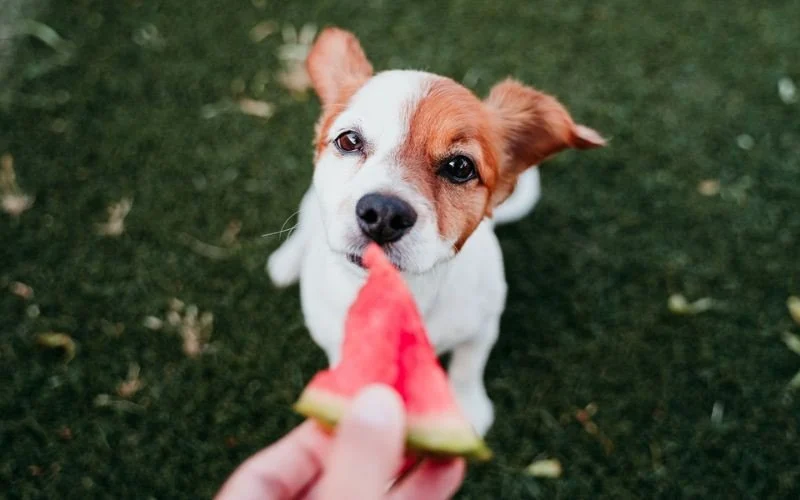
5. Watermelon
Watermelon can help provide hydration because it contains a high percentage of water.
Always remove:
- Seeds
- Rind
The rind can be difficult for dogs to digest and may cause stomach discomfort.
Other Safe Fruit Options
Additional fruits that many dogs can enjoy include:
- Mango without the pit
- Pineapple in small amounts
- Pears without seeds
- Peaches without pits
Any new food should be introduced slowly to observe how your dog reacts.
Safe Vegetables Dogs Can Eat
Vegetables are another excellent category when creating a toxic-free list of foods for dogs. Many vegetables are low in calories and can provide useful nutrients.
1. Carrots
Carrots are one of the most popular vegetables for dogs. They are crunchy, naturally sweet, and easy to prepare.
Many owners use small carrot pieces as training rewards because they are satisfying without being heavy.
2. Green Beans
Plain green beans can be a healthy addition to many dogs' diets.
Avoid adding:
- Salt
- Butter
- Seasonings
Simple preparation is always best.
3. Pumpkin
Plain pumpkin is commonly used by pet owners because of its fiber content.
Only plain pumpkin should be used. Pumpkin pie filling often contains sugar and spices that are not appropriate for dogs.
4. Sweet Potatoes
Cooked sweet potatoes can provide fiber and nutrients. They should be served plain and without added ingredients.
5. Broccoli and Cauliflower
Small amounts of broccoli and cauliflower may be safe for many dogs.
Because some dogs may experience gas after eating cruciferous vegetables, moderation is important.
Other Dog-Safe Vegetables
- Cucumbers
- Zucchini
- Peas
- Spinach in limited amounts
- Celery
Fresh, plain, and properly prepared vegetables are the safest choices.
Foods That Are Toxic and Dangerous for Dogs
Understanding safe foods is only half of responsible pet nutrition. Knowing which foods to avoid is equally important.
1. Grapes and Raisins
Grapes and raisins are among the most concerning foods for dogs. They have been associated with serious health problems in some dogs, even in small amounts.
Because individual sensitivity can vary, these foods should always be avoided.
2. Onions and Garlic
Onions, garlic, and related foods can be harmful to dogs. They may damage red blood cells and create health problems.
This includes many cooked foods containing onion or garlic seasoning.
3. Avocado
Avocado contains components that may not be suitable for dogs, especially when consumed improperly. The pit also creates a choking risk.
4. Chocolate and Other Unsafe Foods
Although chocolate is not a fruit or vegetable, it is one of the most commonly known toxic foods for dogs.
Pet owners should also be careful with:
- Alcohol
- Caffeine
- Xylitol-containing products
- Macadamia nuts
How to Prepare Fruits and Vegetables for Dogs
Safe preparation is just as important as choosing safe ingredients.
1. Wash Food Before Serving
Always wash fruits and vegetables to remove dirt, pesticides, and unwanted residue.
2. Remove Dangerous Parts
Seeds, pits, stems, and tough skins may create risks depending on the food.
3. Cut Food Into Small Pieces
Small pieces reduce choking risks and make treats easier for dogs to digest.
4. Introduce New Foods Slowly
Every dog is different. A food that works well for one dog may cause digestive upset in another.
Introduce one new food at a time and monitor your pet's response.
Common Mistakes Pet Owners Make With Human Foods
1. Assuming All Natural Foods Are Safe
The word "natural" does not automatically mean safe for dogs. Some natural foods can still be toxic.
2. Giving Too Many Treats
Even healthy fruits and vegetables should only make up a small portion of a dog's overall diet.
3. Ignoring Individual Health Needs
Dogs with certain health conditions may require special diets. Always consider your dog's age, size, activity level, and health history.
Building a Healthier Diet With Brothers Pets
Providing safe and nutritious options is one of the best ways to support your dog's happiness and quality of life. Understanding What Fruits and Vegetables Are Safe for Dogs to Eat — A Comprehensive Toxic-Free List helps pet owners make better decisions every day.
At Brothers Pets, pet owners can explore carefully selected products and resources designed to support their pets' health, comfort, and daily wellness.
Creating Better Daily Habits for Your Dog
A healthy dog lifestyle is built from many small choices: balanced nutrition, regular exercise, proper veterinary care, and safe treats.
Adding dog-friendly fruits and vegetables can be a simple way to provide variety while showing your pet extra love.
Explore trusted pet care solutions through Brothers Pets to discover products and resources that help you create a safer, healthier, and happier life for your dog.






 PetVet Vaccination Clinic1.0 (1 reviews)
 VCA Peachtree Animal Hospital4.0 (332 reviews)
 Countryside Animal Hospital4.0 (206 reviews)
 Vetco Total Care Animal Hospital3.0 (44 reviews)
 PetVet Vaccination Clinic0.0 (0 reviews)
 Urban Paw Westminster4.0 (199 reviews)
 Cat Acne Symptoms on Chin and How to Treat Feline Chin Acne at Home
 How to Help Your Pet Adjust to New Family Members
 How to Make Your Home Safe for Curious Cats: Tips and Tricks
 Best Cat Slow Feeders for Greedy Eaters: Puzzle Bowls and Mat Options Explained
 Puppy Socialization Tips: How to Raise a Confident and Friendly Dog
 How to Improve Your Pet’s Mental Health: Everyday Steps That Make a Big Difference