
- why-cats-eat-litter
- understanding-cat-pica-behavior
- nutritional-deficiencies-linked-to-litter-eating
- anemia-signs-in-cats
- medical-causes-behind-litter-consumption
- behavioral-reasons-cats-eat-litter
- what-cat-owners-should-do-next
- choosing-supportive-products-for-your-cat-health
1. Why Is My Cat Eating Litter?
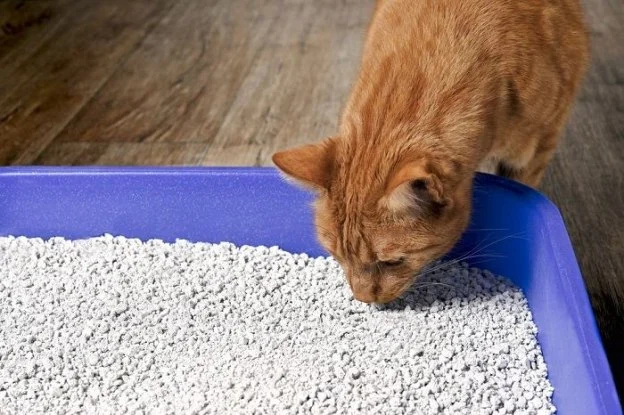
If you have ever walked into the litter box area and noticed your cat chewing or eating litter, your first reaction was probably confusion. Cats are usually very selective animals, so seeing them consume something that is clearly not food can feel alarming.
The question many cat owners ask is: Why Is My Cat Eating Litter? In some cases, this strange habit may be connected to a condition called pica, where cats repeatedly eat non-food materials. Other times, litter eating can be a sign that your cat is experiencing nutritional deficiencies, anemia, digestive problems, stress, or another underlying health concern.
Although a single lick or accidental ingestion may not always indicate a serious problem, repeated litter eating should never be ignored. Your cat may be trying to communicate that something is wrong.
1.1 When Litter Eating Becomes a Warning Sign
Cats explore their environment with their mouths, especially kittens. Young cats may taste unusual objects while learning about the world around them. However, adult cats that intentionally eat litter require closer attention.
Common warning signs include:
- Frequently chewing or swallowing litter
- Eating other non-food items such as plastic, fabric, or paper
- Sudden changes in appetite or energy levels
- Weight loss or poor coat condition
- Vomiting, constipation, or digestive discomfort
A cat that repeatedly eats litter is not simply being "weird." This behavior can sometimes point toward a nutritional or medical issue that needs investigation.
1.2 Why This Issue Matters for American Cat Owners
In the United States, many cats live indoors and rely completely on their owners for balanced nutrition. While indoor living protects cats from many dangers, it also means owners must pay close attention to subtle changes in behavior.
A small behavioral change, such as eating litter, can sometimes be one of the earliest clues that a cat is not feeling well.
2. Understanding Cat Pica Behavior and Why It Happens
Cat pica behavior refers to the repeated desire to eat objects that are not considered food. This condition can affect cats of different ages, breeds, and backgrounds.
Pica is not a disease by itself. Instead, it is often a symptom connected to another problem, such as nutritional imbalance, stress, genetics, or illness.
2.1 Common Objects Cats With Pica May Eat
A cat experiencing pica may consume:
- Cat litter
- Plastic bags
- Clothing fibers
- Wool blankets
- Paper products
- Household plants
Litter is especially concerning because certain types can expand after absorbing moisture. Some clumping litters may create digestive blockages if eaten in large amounts.
2.2 The Connection Between Pica and Nutrition
One of the most discussed explanations for pica is that cats may seek unusual substances when their bodies are missing important nutrients.
For example, a cat with an iron deficiency may instinctively search for materials containing minerals. While eating litter does not actually correct the deficiency, the behavior may be the body's unusual response to an internal imbalance.
This is why understanding nutritional deficiencies in cats is an important part of solving litter-eating behavior.
3. Nutritional Deficiencies That May Cause Cats to Eat Litter
A balanced diet is one of the foundations of feline health. Cats require specific nutrients, including protein, vitamins, minerals, and amino acids. When these nutritional needs are not fully met, unusual behaviors may appear.
3.1 Iron Deficiency and Mineral Imbalance
Iron plays a major role in producing healthy red blood cells. When a cat does not have enough iron, oxygen delivery throughout the body can decrease, leading to fatigue and weakness.
Some cats with mineral deficiencies develop unusual cravings. This may explain why certain cats begin eating litter or other non-food materials.
However, it is important to remember that litter eating is not proof of a deficiency. Only veterinary testing can confirm whether your cat has an actual nutritional problem.
3.2 Poor Diet Quality and Absorption Problems
Even when a cat receives food every day, nutritional problems can still occur. Some possible reasons include:
- Low-quality diets lacking essential nutrients
- Digestive diseases affecting absorption
- Chronic illnesses increasing nutritional needs
- Homemade diets without proper formulation
Many cat owners assume that feeding more food will solve nutritional issues, but the quality and balance of nutrients matter more than simply increasing portion size.
3.3 Supporting Better Nutrition
Improving nutrition starts with choosing age-appropriate cat food and monitoring your cat's overall condition. A healthy cat usually has:
- A shiny coat
- Stable energy levels
- Healthy body weight
- Normal appetite
For owners looking for additional support products, Brothers Pets provides carefully selected pet care options designed to help owners maintain better daily wellness routines for their cats.
4. Anemia Signs in Cats That Owners Should Recognize
One important medical concern related to litter eating is anemia. Anemia signs in cats can sometimes be subtle, especially during the early stages.
4.1 What Happens When a Cat Has Anemia?
Anemia occurs when the body does not have enough healthy red blood cells. Because red blood cells carry oxygen, anemia can make cats feel tired and weak.
A cat with anemia may not immediately show obvious symptoms. Instead, owners may notice small changes that develop over time.
4.2 Common Signs of Anemia in Cats
- Pale gums instead of healthy pink gums
- Low energy or increased sleeping
- Reduced interest in play
- Fast breathing
- Loss of appetite
- Weight loss
If your cat is eating litter and showing several of these signs, it is important to seek veterinary advice. Anemia can have many causes, including parasites, chronic disease, blood loss, or nutritional problems.
4.3 A Realistic Example From Everyday Cat Ownership
Consider a common situation: A family notices that their seven-year-old indoor cat suddenly begins licking clay litter. At first, they assume the cat simply developed a strange habit. A few weeks later, they notice the cat is sleeping more and playing less.
After a veterinary examination, they discover the cat has anemia caused by an underlying health issue. Once treatment begins and nutrition is improved, the unusual litter behavior gradually decreases.
This type of story shows why paying attention to small behavioral changes can make a major difference in a cat's health.
5. Medical Causes Behind a Cat Eating Litter
While nutrition is one possible explanation, several medical conditions can also contribute to litter eating.
5.1 Digestive Problems
Cats with gastrointestinal discomfort may develop unusual eating patterns. Conditions affecting digestion or nutrient absorption can sometimes trigger pica-like behaviors.
5.2 Parasites and Internal Health Issues
Parasites can affect a cat's ability to maintain proper nutrition. In some cases, a cat may appear healthy on the outside while experiencing internal problems.
5.3 Dental Pain and Oral Problems
Dental discomfort may also change how cats interact with food and objects. A veterinary check can help identify whether mouth pain or another physical issue is contributing to unusual behavior.
6. Behavioral Reasons Cats May Eat Litter
Not every case of litter eating is caused by illness. Some cats develop this behavior because of environmental or emotional factors.
6.1 Stress and Anxiety
Cats are sensitive animals. Changes such as moving homes, introducing a new pet, loud construction, or changes in household routines can create stress.
Some cats respond to stress through repetitive behaviors, including chewing or eating unusual objects.
6.2 Boredom and Lack of Stimulation
Indoor cats need mental and physical activity. Without enough play, climbing opportunities, or interaction, some cats may develop unusual habits simply because they are searching for stimulation.
6.3 Breed and Individual Personality Factors
Some cats are naturally more curious and oral-focused than others. Kittens and certain breeds may be more likely to explore objects with their mouths.
7. What Cat Owners Should Do When Their Cat Eats Litter
7.1 Observe the Behavior Carefully
The first step is understanding what is happening. Take note of:
- How often your cat eats litter
- The amount consumed
- The type of litter being used
- Any other health changes
7.2 Schedule a Veterinary Evaluation
A veterinarian may recommend physical examinations or blood tests to check for anemia, nutritional deficiencies, or other medical conditions.
Professional evaluation is especially important if litter eating appears suddenly in an adult cat.
7.3 Improve Daily Care and Nutrition
Along with medical guidance, owners can support their cats by providing:
- High-quality balanced nutrition
- Clean and safe litter choices
- Regular play sessions
- Stress reduction opportunities
8. Choosing Supportive Products for Better Cat Health
When a cat shows unusual behaviors like eating litter, owners often begin searching for ways to improve overall wellness. While products cannot replace veterinary care, the right supplies can support healthier daily routines.
8.1 Finding Quality Cat Wellness Solutions
Reliable pet products can help support areas such as nutrition, grooming, comfort, and general care. Choosing trusted sources allows owners to feel more confident about the products they provide for their pets.
8.2 Helping Your Cat Build Better Habits
The goal is not only to stop litter eating but also to understand why it started. By combining proper nutrition, regular health monitoring, and suitable pet care products, many cats can return to healthier behaviors.
If you are searching for trusted cat care solutions, visit Brothers Pets to explore products selected to support your pet's everyday health and comfort. Understanding the reason behind your cat's behavior is the first step, and choosing the right support products can help you provide the care your feline companion deserves.






 PetVet Vaccination Clinic1.0 (1 reviews)
 VCA Peachtree Animal Hospital4.0 (332 reviews)
 Countryside Animal Hospital4.0 (206 reviews)
 Vetco Total Care Animal Hospital3.0 (44 reviews)
 PetVet Vaccination Clinic0.0 (0 reviews)
 Urban Paw Westminster4.0 (199 reviews)
 Cat Acne Symptoms on Chin and How to Treat Feline Chin Acne at Home
 How to Help Your Pet Adjust to New Family Members
 How to Make Your Home Safe for Curious Cats: Tips and Tricks
 Best Cat Slow Feeders for Greedy Eaters: Puzzle Bowls and Mat Options Explained
 Puppy Socialization Tips: How to Raise a Confident and Friendly Dog
 How to Improve Your Pet’s Mental Health: Everyday Steps That Make a Big Difference