
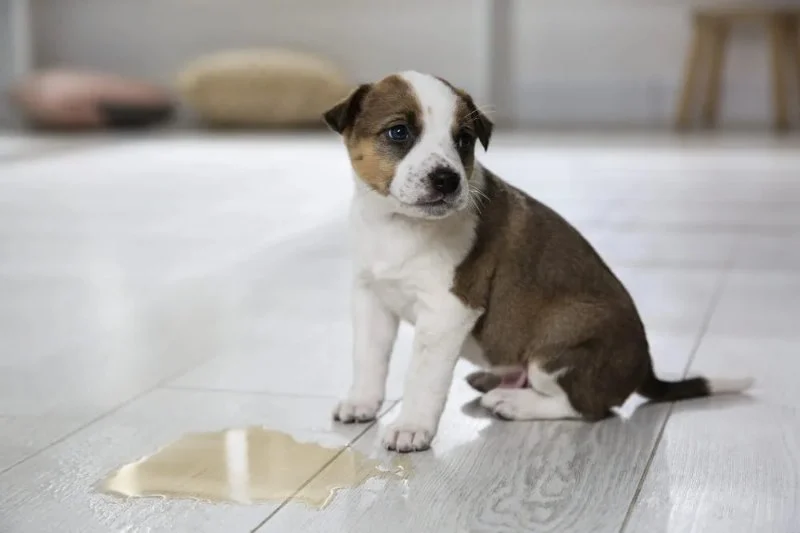
- Common Signs of Urinary Issues in Dogs
- Causes of Urinary Problems in Dogs
- Treatment Options for Urinary Issues
- Preventing Urinary Issues in Dogs
Common Signs of Urinary Issues in Dogs
Just like humans, dogs can experience urinary issues, ranging from minor discomfort to serious health concerns. Recognizing the signs of urinary problems early is essential for effective treatment and preventing complications. If your dog is showing any of the following signs, it may indicate a urinary issue that requires attention:
1. Frequent Urination
One of the most common signs of urinary issues in dogs is frequent urination. If your dog is urinating more often than usual, it could be a sign of a urinary tract infection (UTI) or other underlying conditions like bladder stones or diabetes.
2. Blood in Urine
The presence of blood in your dog’s urine is a serious sign of a urinary issue. It could indicate an infection, bladder stones, or even more severe conditions like kidney disease or cancer. If you notice blood in your dog’s urine, it’s important to seek veterinary attention immediately.
3. Straining to Urinate
If your dog seems to be straining or having difficulty urinating, it may indicate a blockage, bladder stones, or an infection. This can lead to more serious complications if not addressed quickly, such as kidney damage or urinary retention.
4. Incontinence
Incontinence refers to the inability to control urination, leading to accidents in the house. While this can be a sign of aging, it can also be caused by infections, hormonal imbalances, or bladder problems. If your dog is experiencing incontinence, it’s important to consult with your vet.
5. Licking the Genital Area
If your dog is frequently licking the genital area, it could be a sign of irritation caused by a urinary tract infection or other urinary problems. Constant licking may also be an attempt to relieve discomfort caused by urinary issues.
Causes of Urinary Problems in Dogs
There are several potential causes of urinary issues in dogs. Understanding these causes can help you better manage your dog’s health and seek appropriate treatment. Some of the most common causes include:
1. Urinary Tract Infections (UTIs)
UTIs are one of the most common causes of urinary problems in dogs. They occur when bacteria infect the urinary tract, leading to symptoms like frequent urination, blood in urine, and discomfort. UTIs are more common in female dogs but can affect males as well.
2. Bladder Stones
Bladder stones are hard, mineral-like formations that develop in the bladder. These stones can cause pain, urinary blockages, and blood in the urine. Depending on the size and type of stones, treatment may include medication, dietary changes, or surgery.
3. Kidney Disease
Kidney disease can affect your dog’s ability to regulate urine production and can lead to urinary issues like frequent urination, dehydration, and blood in the urine. This condition often occurs in older dogs and requires ongoing management and veterinary care.
4. Hormonal Imbalances
Hormonal imbalances, such as those caused by diabetes or Cushing’s disease, can lead to urinary problems. Dogs with these conditions may experience excessive thirst, frequent urination, and difficulty controlling their bladder.
5. Age-Related Changes
As dogs age, they may experience changes in their bladder control, leading to incontinence. This can be a normal part of aging but can also be exacerbated by underlying health conditions.
Treatment Options for Urinary Issues
Treatment for urinary issues in dogs depends on the underlying cause of the problem. Some common treatment options include:
1. Antibiotics for UTIs
If your dog has a urinary tract infection, your veterinarian will likely prescribe antibiotics to treat the infection. It’s important to complete the entire course of antibiotics, even if your dog’s symptoms improve before the medication is finished.
2. Surgery for Bladder Stones
In cases of bladder stones, surgery may be required to remove the stones, especially if they are too large to pass naturally. Your vet may also recommend dietary changes to prevent future stone formation.
3. Medications for Hormonal Imbalances
If a hormonal imbalance is causing urinary issues, your veterinarian may prescribe medication to regulate the hormones and alleviate symptoms. For example, insulin for diabetic dogs or medication for dogs with Cushing’s disease can help manage urinary problems.
4. Incontinence Medications
For dogs experiencing incontinence, medications like phenylpropanolamine can help improve bladder control. These medications are typically used in conjunction with lifestyle changes to improve your dog’s quality of life.
Preventing Urinary Issues in Dogs
While not all urinary issues can be prevented, there are steps you can take to reduce the risk of urinary problems in your dog:
- Regular Vet Check-ups: Regular veterinary visits can help catch urinary issues early, allowing for prompt treatment.
- Proper Hydration: Make sure your dog always has access to fresh water to prevent dehydration and urinary tract problems.
- Healthy Diet: Feeding your dog a balanced diet can help prevent bladder stones and promote overall urinary health.
- Frequent Bathroom Breaks: Ensure that your dog has frequent opportunities to relieve themselves, especially if they are prone to urinary issues.
- Monitor for Symptoms: Keep an eye out for signs of urinary issues like frequent urination, blood in urine, or straining to urinate. Early detection is key to effective treatment.
By understanding the signs and causes of urinary issues in dogs, you can take the necessary steps to ensure your dog’s health and well-being. If your dog is showing any signs of urinary problems, consult with your veterinarian for an accurate diagnosis and appropriate treatment.
For more information or to find the right products and services to support your dog’s health, visit Brothers Pets.





 VIP Petcare Vaccination Clinic0.0 (0 reviews)
 ZimmVet4.0 (540 reviews)
 Dr. Richard Greene DVM DACVS5.0 (1 reviews)
 Hidden Valley Animal Clinic4.0 (250 reviews)
 Critters & Co Pet Center& Rescue4.0 (125 reviews)
 Mccormick Ranch Pet Care Center4.0 (70 reviews)
 How to Teach Your Dog Basic Commands Quickly | Training Tips for Success
 How to Recognize and Treat Common Pet Injuries - Expert Guide
 How to Spot and Treat Allergies in Cats and Dogs: A Comprehensive Guide
 How to Recognize Signs of Heartworm in Dogs and Protect Them
 Beginner's Guide to Pet Behavior: Understanding Your Furry Friend
 How to Identify and Treat Flea Bites on Cats – Effective Care Tips