
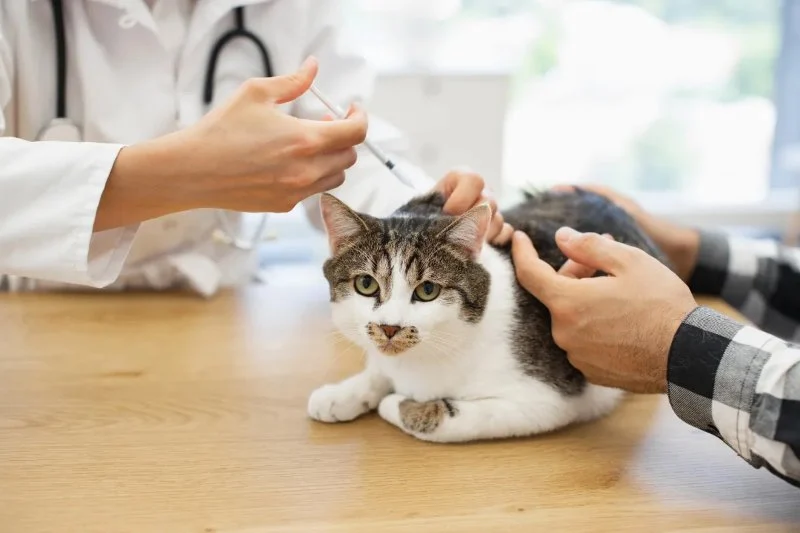
- 1 - Understanding the Importance of Vaccines in Pet Health
- 2 - Core vs. Non-Core Vaccines: What Every Pet Owner Should Know
- 3 - Insights from Veterinarians on Preventive Care
- 4 - Real-Life Cases: How Vaccines Saved Pets in the U.S.
- 5 - Unique Challenges for Pets in Urban Areas
- 6 - Long-Term Benefits of Vaccinations
- 7 - Pet Owner Responsibility and Awareness
- 8 - Finding Trusted Pet Care and Products
1 - Understanding the Importance of Vaccines in Pet Health
The role of vaccines in preventing pet illnesses cannot be overstated. Vaccines help protect animals from life-threatening diseases like rabies, parvovirus, and distemper. In the United States, vaccination programs have dramatically reduced the spread of these illnesses, giving pets a longer and healthier life.
2 - Core vs. Non-Core Vaccines: What Every Pet Owner Should Know
Veterinarians generally classify vaccines into two groups. Core vaccines are essential for all pets regardless of lifestyle, while non-core vaccines are recommended based on factors such as location, travel, or exposure to other animals. For example, dogs in areas with high Lyme disease cases often receive an additional vaccine for tick-borne illness prevention.
3 - Insights from Veterinarians on Preventive Care
Veterinarians stress that vaccines not only protect pets but also safeguard public health. Rabies, for instance, can be transmitted to humans, making pet vaccination a vital part of community safety. Many clinics also remind owners that vaccine schedules should be customized for each pet’s age, breed, and environment.
4 - Real-Life Cases: How Vaccines Saved Pets in the U.S.
In 2022, a shelter in Texas reported a parvovirus outbreak among unvaccinated puppies. Those who had received their shots survived and recovered, while the others faced serious illness. Stories like these highlight the very real difference vaccines make in survival and recovery.
5 - Unique Challenges for Pets in Urban Areas
In cities like New York and Los Angeles, pets are more likely to interact with other animals in parks, grooming salons, or boarding facilities. This increases the risk of contagious diseases. Urban pet owners need to be extra diligent in following recommended vaccination schedules to keep their companions safe.
6 - Long-Term Benefits of Vaccinations
Vaccinated pets tend to live longer, healthier lives. By preventing chronic illnesses, owners save money on emergency treatments. Regular vaccination also reduces the spread of disease in neighborhoods, ensuring a healthier environment for all pets.
7 - Pet Owner Responsibility and Awareness
It is the responsibility of every pet owner to stay informed and ensure their pets receive the appropriate vaccines. Awareness campaigns across the U.S. have helped reduce misconceptions, but some owners still hesitate due to misinformation. Consulting a trusted veterinarian is the best way to make informed choices.
8 - Finding Trusted Pet Care and Products
Reliable access to vaccines, supplements, and professional advice is essential. At Brothers Pets, owners can find carefully selected pet health products and services that align with veterinary standards, making it easier to keep pets protected and thriving.






 Modern Animal4.0 (110 reviews)
 Brykerwood Veterinary Clinic4.0 (253 reviews)
 Woodbury Animal Hospital4.0 (180 reviews)
 Moon Veterinary Hospital4.0 (394 reviews)
 East Holmes Veterinary Clinic4.0 (37 reviews)
 Mike's Mobile Veterinary Service4.0 (164 reviews)
 How to Reduce Anxiety in Dogs During Car Rides | Proven Tips
 Best Practices for Crate Training Your Puppy
 How to Improve Your Pet’s Dental Health: Expert Tips and Daily Care
 How to Identify and Treat Allergic Dermatitis in Cats – Guide for Pet Owners
 The Ultimate Guide to Pet Training: Tips, Tools & Expert Advice
 How to Identify and Treat Flea Bites on Cats – Effective Care Tips