
How to Count Your Pet’s Resting Breathing Rate
On this page
Quick answer
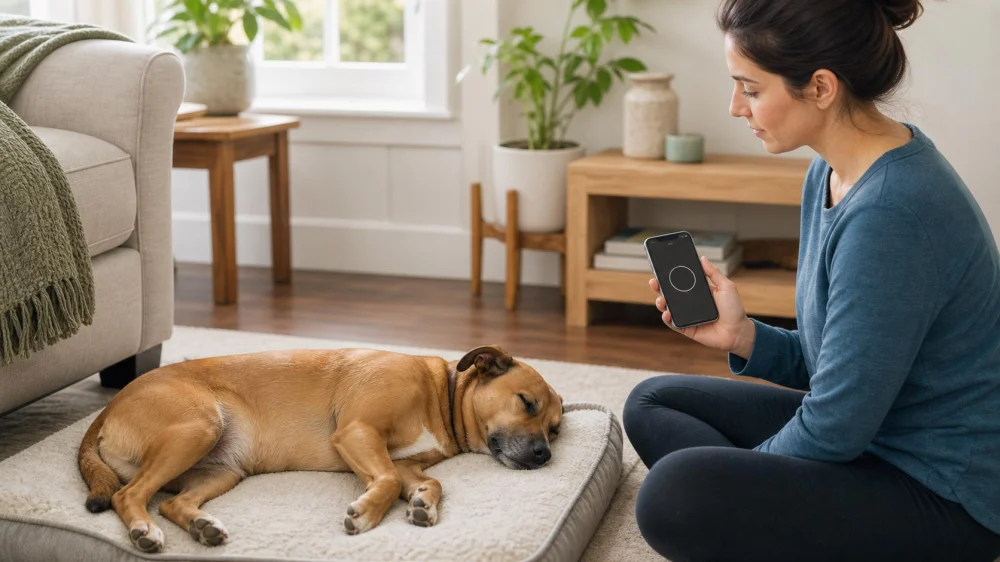
Count your dog’s or cat’s breaths only when the pet is asleep or quietly resting and not panting. Watch the chest or abdomen: one rise and fall equals one breath. Count for a full minute, or use a shorter timed count only as your veterinarian directs. Record the result and context; breathing effort and sudden change matter more than chasing one universal number.
What the measurement means
Resting respiratory rate is the number of breaths an animal takes per minute while calm and inactive. It can help a veterinarian follow trends, especially in pets with heart or lung conditions, but it is not a standalone diagnosis.
Rate and effort are different. A pet may breathe at an unusual speed, use extra abdominal effort, extend the neck, flare the nostrils, or struggle to settle. Any visible effort can be important even before a precise count is complete.
How to count correctly
- Wait for true rest. Choose sleep or quiet relaxation in a comfortable room, not the period after play, stress, heat, travel, or a clinic visit.
- Confirm there is no panting or purring interference. Panting is not measured the same way, and vigorous purring can make movement hard to interpret.
- Observe without touching. Watch the side of the chest or abdomen from a short distance so the pet does not wake or become alert.
- Count complete cycles. One rise and one fall together equal one breath.
- Use a quiet timer. Count for 60 seconds for the clearest home value unless the veterinary team has given another method.
- Repeat only after calm rest. If movement disrupted the count, wait and try later rather than restraining the pet.
A short video can help a veterinarian see effort and allow later counting, but emergency care should never be delayed to obtain perfect footage.
Track the pattern
Record date, time, rate, sleeping or resting state, room temperature, recent activity, medications, cough, appetite, energy, and any change in effort. Measure under similar calm conditions when possible.
A personal baseline is a set of repeated values gathered when the pet is stable under comparable conditions. It is more useful than one isolated count, but the veterinarian should define the monitoring schedule and action threshold for pets with known disease.
Best for home monitoring: consistent calm observations requested by the veterinary team. Not ideal: repeatedly waking, handling, or stressing a pet to reach a target number.
When to call a veterinarian
Contact the veterinarian promptly for a consistent increase from the pet’s usual resting pattern, new cough, reduced stamina, appetite change, restlessness, abnormal posture, or any rate above the individualized threshold the clinic provided.
Seek emergency veterinary care now for open-mouth breathing in a cat, blue, gray, or very pale gums or tongue, pronounced abdominal effort, gasping, collapse, inability to lie down comfortably, severe weakness, choking concern, trauma, or rapidly worsening breathing. Transport with minimal stress and call ahead when possible.
Do not place anything in the mouth, force food or water, give human medication, or tightly restrain a pet in respiratory distress.
Record checklist
- Pet asleep or quietly resting
- No recent exercise, heat stress, excitement, or panting
- Complete rise-and-fall cycles counted
- Timer duration documented
- Breathing effort and posture noted
- Cough, appetite, energy, and medication changes recorded
- Video captured only if safe
- Veterinary threshold and contact numbers available
Limitations and important notes
This article is general pet-health education and cannot establish a normal rate for an individual animal. Age, species, body size, sleep stage, temperature, pain, anxiety, medications, heart disease, lung disease, anemia, and other factors can affect breathing.
Home counts cannot rule out serious illness. A normal-looking number does not override visible distress, and an inaccurate high count should not prompt home treatment. Use a licensed veterinarian for interpretation and diagnosis.
Sources and evidence notes
This guide reflects common veterinary monitoring practice: count complete breaths during true rest, assess effort as well as rate, follow trends under similar conditions, and use individualized clinic thresholds. It deliberately avoids inventing a universal cutoff.
Frequently asked questions
Can I count while my dog is panting?
No. Wait until panting stops and the dog is truly resting, unless a veterinarian tells you to seek care immediately based on the panting or other signs.
Why does my sleeping pet’s rate change?
Dreaming, position, temperature, noise, and sleep stage can change movement. Repeat later in calm sleep and record the context.
Should I use a phone app?
A timer or logging app may help, but it cannot replace correct observation or veterinary interpretation. Protect personal data and verify any automated count.
What if I cannot see the chest move?
Change your viewing angle without waking the pet or take a short video if safe. Do not restrain or disturb an animal that appears unwell.
How often should I count?
Healthy pets usually do not need intensive monitoring. For a diagnosed condition, follow the frequency and action plan provided by the veterinary team.
Next steps
Take one calm one-minute measurement when your pet is sleeping, note breathing effort and context, and save it. If a veterinarian requested monitoring, ask for the exact schedule, personal alert threshold, and after-hours plan.



 VCA Cromwell Animal Hospital4.0 (214 reviews)
 North Kenilworth Veterinary Care4.0 (586 reviews)
 St. Boni Pet Hospital4.0 (240 reviews)
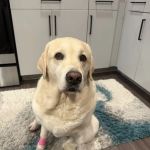 MedVet Indianapolis4.0 (938 reviews)
 Tidewater Equine Clinic & Farm Animal Services4.0 (49 reviews)
 West Riverside Veterinary Hospital4.0 (104 reviews)
 How to Prevent and Treat Heatstroke in Dogs During Summer: A Complete Guide
 The Benefits of Regular Vet Check-Ups for Your Pet's Longevity and Quality of Life
 Expert Advice on Pet Fitness for American Families
 How to Choose the Best Pet Toys for Large Dogs
 Tips for Feeding Senior Dogs with Sensitive Stomachs and Improving Digestion
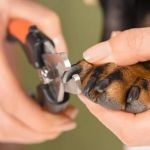 How to Safely Trim Your Dog's Nails at Home