
- 1. Understanding Pet Anxiety During Vet Visits
- 2. Signs Your Pet May Be Anxious
- 3. Tips for Reducing Anxiety Before and During the Visit
- 4. Calming Products and Tools
- 5. When to Call the Vet for Help with Anxiety
1. Understanding Pet Anxiety During Vet Visits
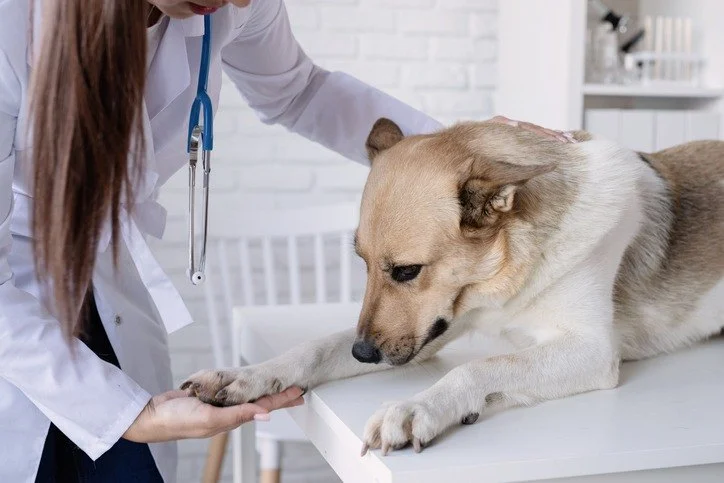
It's common for pets to experience anxiety during vet visits. Just like humans, pets can feel stressed or fearful in unfamiliar environments, especially when they are handled or subjected to medical procedures. Understanding the causes of this anxiety is the first step in helping your pet cope with it.
For many pets, a visit to the vet can trigger a fight-or-flight response. The strange smells, sounds, and unfamiliar people can be overwhelming, especially if your pet has had negative experiences at the vet in the past.
2. Signs Your Pet May Be Anxious
It’s important to recognize when your pet is feeling anxious. Common signs of anxiety during a vet visit can include:
- Excessive panting or drooling: This is a classic sign of stress, particularly in dogs.
- Shaking or trembling: Pets that are scared may tremble, even if they aren't visibly hurt.
- Avoiding eye contact or hiding: If your pet is trying to retreat from the situation, it’s a clear sign of discomfort.
- Whining or excessive barking: Vocalization is a common response to stress.
- Avoiding food or treats: An anxious pet may refuse food or treats, even their favorites.
3. Tips for Reducing Anxiety Before and During the Visit
There are several strategies you can use to reduce your pet's anxiety before and during their vet visit. Here are some helpful tips:
Before the Vet Visit
- Get your pet used to the carrier: If your pet is traveling in a crate or carrier, make sure they are comfortable in it before the visit. Leave the carrier out at home with treats or toys to create positive associations.
- Take practice trips: If your pet is very nervous about car rides, take short trips to get them accustomed to the experience. You can even drive to the vet but not enter, so your pet gets used to the environment without the stress of an actual appointment.
- Exercise before the visit: A long walk or play session before the visit can help reduce some of your pet’s excess energy and lower anxiety levels.
- Stay calm yourself: Pets are sensitive to their owners' emotions. If you remain calm and composed, your pet is more likely to feel secure and reassured.
During the Vet Visit
- Bring familiar items: Bringing along your pet’s favorite blanket or toy can help create a sense of comfort in the unfamiliar vet office.
- Use a soothing voice: Speaking to your pet in a calm, gentle tone can help them feel more at ease.
- Stay with your pet: If allowed, stay with your pet during their exam or treatment. Your presence can provide them with comfort and security.
4. Calming Products and Tools
If your pet’s anxiety is severe, there are several products designed to help calm them during vet visits:
- Calming collars: These collars release pheromones that can help soothe your pet during stressful situations.
- Thundershirts: These pressure wraps can provide a calming effect on anxious pets, much like swaddling a baby.
- Calming sprays or wipes: There are various sprays and wipes that can be applied to your pet’s bedding or carrier to help them relax.
- Prescription medications: In severe cases, your vet may recommend medication to help manage your pet’s anxiety. Always consult with your vet before using any medication.
5. When to Call the Vet for Help with Anxiety
If your pet’s anxiety is overwhelming or persistent, it may be time to consult a vet or a pet behaviorist. Some signs that you may need professional help include:
- Extreme aggression: If your pet becomes aggressive at the vet or in other stressful situations, it may indicate a deeper issue that requires professional training.
- Unmanageable anxiety: If your pet’s anxiety is not alleviated by home techniques, calming products, or medications, professional help is needed to address the root cause of the anxiety.
- Physical symptoms: If your pet is experiencing severe physical symptoms due to stress, such as vomiting, excessive drooling, or refusal to eat, contact your vet immediately.
By understanding and addressing your pet's anxiety, you can help make their vet visits more comfortable and less stressful. If you're looking for products or expert advice to support your pet, visit Brothers Pets for more information on how to calm and comfort your furry friend.




 Lindale Veterinary Clinic, LLC4.0 (216 reviews)
 All-Star Animal Hospital: Kara Ericksen DVM, Matt Ericksen DVM3.0 (10 reviews)
 Abbeywood Cat Hospital4.0 (140 reviews)
 Southside Veterinary Clinic4.0 (482 reviews)
 PetVet Vaccination Clinic0.0 (0 reviews)
 North Lexington Veterinary Clinic4.0 (118 reviews)
 How to Prevent Cat Urinary Tract Issues Naturally | Effective Tips
 How to Introduce a New Puppy to Older Dogs: Tips for a Smooth Transition
 The Importance of Regular Vet Check-Ups for Preventive Care
 Traveling with Pets: Keeping Dogs and Cats Comfortable and Healthy
 How to Help Pets Cope with Separation Anxiety: Effective Tips and Solutions
 How to Calm Anxious Pets During Fireworks: Expert Tips for Pet Owners