
Pet Emergency Contact Sheet: Build and Keep It Current
On this page
Quick answer
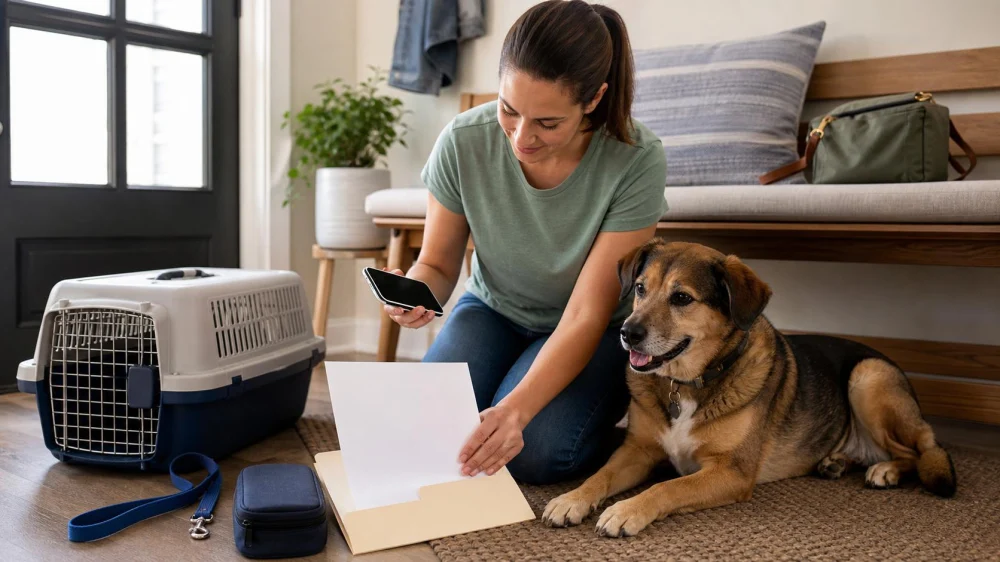
A pet emergency contact sheet should let any responsible caregiver identify the animal, contact the regular and emergency veterinary teams, describe essential health facts, reach an authorized decision-maker, and transport the pet without delay. Keep a secure paper copy and an accessible digital copy, verify every number regularly, and never let the sheet replace immediate veterinary triage.
Why a short handoff record helps
A pet emergency contact sheet is a concise handoff record for urgent communication and transport. It is not the full medical chart and should not contain every private detail. Its value comes from current contacts, observable health facts, clear authorization boundaries, and a location that household members or approved caregivers can reach quickly.
This guide is for pet owners and caregivers in the United States. Species, health conditions, clinic policies, consent rules, payment processes, and local emergency options differ. Confirm the plan with the veterinary practices and people named on it rather than assuming they can provide a service or make a decision.
Information the sheet should contain
- Pet name, species, breed or identifying description, age or birth date, microchip number, and a current photo.
- Regular veterinary practice, nearest suitable emergency clinic, poison-help resource recommended by the veterinarian, and verified phone numbers.
- Owner and backup decision-maker contacts, plus who is authorized to transport, approve care, receive information, or use an agreed payment method.
- Current diagnoses, allergies or past reactions, medicines with exact label directions, and the location of original containers and records.
- Handling, carrier, mobility, communication, and safety needs that affect approaching or moving the animal.
- Preferred transport route, carrier or leash location, building access, and a backup when the usual vehicle or person is unavailable.
- Date last verified and the next review trigger, such as a medicine change, move, new caregiver, or clinic change.
Build, share, and test the plan
- Ask the regular veterinarian which health facts and emergency resources should be immediately available for this pet.
- Call or check official clinic channels to confirm current hours, species served, arrival instructions, and whether advance contact is required.
- Write the sheet in plain language, put critical contacts first, and label what a caregiver may decide versus what requires owner approval.
- Store a paper copy near the pet's carrier or exit plan and a protected digital copy that approved caregivers can actually open.
- Walk a caregiver through the animal's safe handling, medicine locations, carrier, route, and communication plan without staging a stressful drill.
- Test the contact numbers and access permissions, then date the sheet rather than assuming saved details remain current.
- Update every copy immediately after any change and securely destroy superseded versions.
Keep the contact sheet with a current medicine list, vaccination or licensing information required for transport, relevant discharge instructions, and the veterinary team's approved records. Limit account credentials and financial information. A trusted caregiver may need an authorization method, but should not receive unrelated passwords or identity documents.
Privacy and medical boundaries
A static sheet cannot diagnose symptoms, predict clinic capacity, or replace a veterinarian's current instructions. Do not use old dose notes, give human medicine, induce vomiting, or delay transport while searching for paperwork. Clinic availability and poison-resource fees may change, and an emergency facility may redirect cases based on species or current capacity.
Contact emergency veterinary care promptly for breathing difficulty, collapse, uncontrolled bleeding, repeated seizures, severe pain, inability to urinate, major trauma, suspected poisoning, marked abdominal swelling, or another rapidly worsening condition. Follow professional transport and first-aid instructions and keep people safe from bites or scratches from a frightened animal.
Emergency contact sheet questions
Should the sheet include medication doses?
Include the current veterinary label directions and where the original containers are stored. Do not copy an old dose from memory or instruct a caregiver to change it without veterinary direction.
Where should I store the contact sheet?
Keep a visible paper copy in an approved household location near emergency gear and a secure digital copy accessible to authorized caregivers. Avoid public display of private details.
Can a pet sitter authorize treatment?
Only within the owner's written plan and applicable clinic or local requirements. Ask the veterinary practice what authorization and payment arrangements it accepts before an emergency.
How often should I update it?
Review it on a regular schedule and immediately after changes to health, medication, clinic, address, caregiver, transportation, or emergency contacts.
Is a microchip number enough identification?
No. Include a current photo and physical description, and keep the microchip registry contact information current. A chip must also be scanned and linked to usable registration details.
How to verify each detail
Verify details through the regular veterinary practice, official emergency clinic channels, current medicine labels, microchip registry, local licensing authority, and the veterinarian's recommended poison resource. Do not rely on an old web directory entry or social post for emergency availability.
Make the record usable today
Create the one-page sheet now, verify every contact through an official source, and place copies where authorized people can use them. Review the plan with a backup caregiver and update all copies whenever health, medicine, contact, clinic, or transport information changes.






 Fletcher Animal Hospital4.0 (372 reviews)
 Emergency Animal Hospital of Collin County West4.0 (101 reviews)
 Countryside Animal Clinic4.0 (269 reviews)
 University West Pet Clinic4.0 (770 reviews)
 Detroit Dover Animal Hospital4.0 (750 reviews)
 Endless Mountains Veterinary Center, PC3.0 (45 reviews)
 How to Stop a Dog From Eating Cat Litter & High-Rise Litter Box Tips
 How to Spot and Treat Feline Hyperthyroidism for Healthy Cats
 The Best Ways to Train Your Dog to Be Comfortable in a Crate: Expert Tips
 Top 10 Tips for Pet Mental Health Every Owner Should Know
 How to Prevent and Treat Heartworm Disease in Pets: Expert Tips
 Is Your Pet’s Mental Health on Track? Signs, Causes & What to Do