
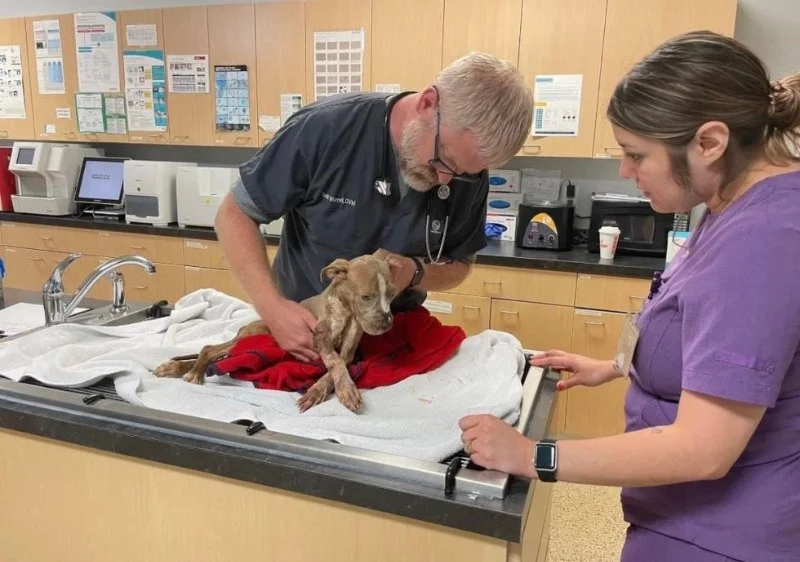
- - Expert Advice on Emergency Pet Care
- - Common Pet Health Emergencies
- - First Aid for Pets: What You Need to Know
- - How to Stay Calm During a Pet Emergency
- - When to Visit the Veterinarian
- - Real-life Example of a Pet Health Crisis
- - Recommended Products and Services at Brothers Pets
1. Expert Advice on Emergency Pet Care
When your beloved pet faces a health emergency, every second counts. Pet owners must be equipped with basic knowledge and skills to manage situations like choking, poisoning, or sudden injury until professional help is available. In this article, we will provide expert advice on emergency pet care, focusing on practical tips, common emergencies, and how to act swiftly to prevent further harm.
Understanding the importance of quick thinking and preparedness in emergency situations is vital for every pet owner. Whether you're at home or out in the park, knowing how to act during an emergency could save your pet’s life. We’ll explore some of the most common pet health emergencies and offer expert tips on how to handle them effectively.
2. Common Pet Health Emergencies
Pets, like humans, can encounter unexpected health problems, especially when they are active or exposed to certain risks. Some of the most common emergencies that require immediate attention include:
- Choking: Pets, especially dogs, may choke on food, toys, or other objects. Choking can quickly become life-threatening if the airway is blocked.
- Poisoning: Pets are often exposed to toxic substances, including household chemicals, plants, or foods like chocolate, grapes, or onions.
- Trauma and Injury: Falls, accidents, or fights with other animals can result in fractures, cuts, or internal injuries.
- Seizures: Seizures in pets can be caused by various factors, including epilepsy, poisoning, or an underlying health issue.
- Heatstroke: Pets, especially dogs with thick fur, are prone to heatstroke during hot weather, which can lead to organ failure if not treated immediately.
Understanding these common emergencies and how to react can make all the difference in keeping your pet safe until professional care is available.
3. First Aid for Pets: What You Need to Know
Pet first aid is a crucial skill for any pet owner. In an emergency, knowing how to administer basic first aid can stabilize your pet’s condition until they can be seen by a veterinarian. Here are some essential first aid tips for common pet emergencies:
- Choking: If your pet is choking, check their mouth for an object and try to remove it if it is visible. If you can't see the object, perform the Heimlich maneuver or back blows to clear the airway. Always seek immediate veterinary attention afterward.
- Poisoning: If your pet ingests something toxic, do not induce vomiting unless advised by a veterinarian. Contact your vet immediately, and bring the packaging or information about the substance ingested if possible.
- Trauma: If your pet has been injured, try to keep them calm and prevent further movement. Apply pressure to any bleeding wounds with a clean cloth and immobilize them before heading to the vet.
- Seizures: During a seizure, stay calm and clear the area around your pet to avoid injury. Do not try to restrain them. Once the seizure ends, contact your vet immediately for advice.
- Heatstroke: If you suspect heatstroke, move your pet to a cool area, offer them water, and try to cool them down with a damp cloth. Get to a veterinarian right away.
These first aid steps are designed to buy you time in emergency situations, but professional veterinary care should always follow. Regularly reviewing basic first aid for pets can prepare you for unexpected situations and give you the confidence to act swiftly.
4. How to Stay Calm During a Pet Emergency
When a pet is in distress, it can be hard to stay calm. However, maintaining composure is essential for providing effective care and making sound decisions. Here are some strategies to help you stay calm during a pet emergency:
- Take Deep Breaths: In stressful situations, deep breathing can help calm your nerves and clear your mind so you can focus on what’s important.
- Prioritize Actions: In an emergency, make quick decisions about whether your pet needs first aid or if you should immediately head to the vet.
- Stay Focused: Concentrate on what’s happening with your pet, and keep distractions to a minimum. This will help you make informed decisions.
- Reach Out for Help: If you are unsure about what to do, contact your vet or an emergency animal hospital for guidance. They can provide critical advice and direct you on what to do next.
Remember, your calmness will help your pet feel safer and more at ease, which can positively influence their recovery.
5. When to Visit the Veterinarian
While many pet health emergencies can be managed at home with first aid, some situations require immediate professional care. If you’re unsure whether your pet needs a vet, consider the following guidelines:
- Uncontrolled Bleeding: If your pet has a wound that won’t stop bleeding despite applying pressure, they need immediate veterinary care.
- Difficulty Breathing: If your pet is struggling to breathe or showing signs of distress, don’t wait – get them to the vet immediately.
- Severe Trauma: Any accident resulting in broken bones, severe lacerations, or loss of consciousness requires urgent veterinary attention.
- Severe Vomiting or Diarrhea: If your pet is vomiting or having diarrhea continuously, they may be dehydrated or suffering from a more serious condition.
In these situations, time is of the essence. Always err on the side of caution and take your pet to the veterinarian for evaluation.
6. Real-life Example of a Pet Health Crisis
Last summer, a client of Brothers Pets, Sarah, shared a story about her cat, Max, who suddenly became ill after eating some houseplants. Max had ingested a toxic plant and was showing signs of distress, including vomiting and lethargy. Sarah remained calm, immediately contacted her vet, and followed their instructions for first aid. She rushed Max to the veterinary clinic, where he received the necessary treatment. Max made a full recovery, thanks to quick action and expert advice. This situation serves as a reminder of the importance of staying calm and knowing how to respond when pets face health crises.
7. Recommended Products and Services at Brothers Pets
If you want to be prepared for any pet emergency, consider checking out the wide range of pet care products and first aid kits available at Brothers Pets. Our selection includes everything from emergency medical supplies to calming tools that can help both you and your pet in stressful situations. With the right resources, you can be better prepared to handle any unexpected health emergency with confidence and care.




 Inman Park Animal Hospital4.0 (562 reviews)
 VCA Miller-Robertson Animal Hospital4.0 (86 reviews)
 Freehaven Farm Limited5.0 (2 reviews)
 Snider Veterinary Services4.0 (541 reviews)
 Veterinary Services of Pawtucket4.0 (145 reviews)
 All Pets Animal Hospital & Rehabilitation Center4.0 (679 reviews)
 Pet Aging: What Vets Want You to Know for Better Senior Pet Care
 The Importance of Regular Grooming for Your Pet
 What to Do If Your Pet Has a Cut or Wound: First Aid Tips
 Understanding Canine Eye Disorders and Prevention – Essential Information for Dog Owners
 How to Properly Handle and Manage Pet Health Records – A Complete Guide
 Understanding Pet Parasites: Prevention and Treatment